





How live casino streaming works
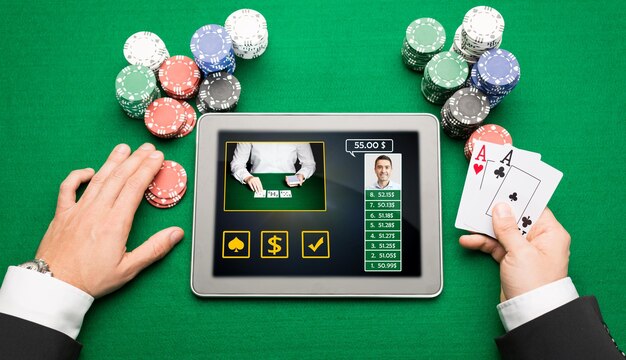
Explore the intricate workings of live casino streaming technology to enhance your gaming experience. Begin by familiarizing yourself with the key components that bring casinos into your living room. High-definition cameras and advanced streaming software play a pivotal role in delivering real-time action.
Understanding the intricacies of live casino streaming technology is essential for enhancing your gaming experience. Utilizing high-definition cameras and advanced software, these platforms bring the thrill of the casino directly to your home. Players can interact with dealers and fellow participants in real-time, creating a social atmosphere that echoes traditional gaming. By incorporating multiple camera angles, the action becomes immersive, allowing for an intimate view of gameplay dynamics. To stay ahead in this evolving landscape, it's important to keep informed about updates and improvements that enhance streaming quality. Explore more about these innovations and how they impact your experience at northernlights-casino.com.
Each session utilizes multiple camera angles to capture every detail of the game, ensuring players feel present at the table. The integration of optical character recognition (OCR) captures essential game data, converting physical card values and outcomes into digital formats. This process significantly enhances the interactivity of online gaming.
Real-time communication tools allow seamless interaction with dealers and fellow players, elevating the overall casino atmosphere. Engaging with live chat features can enrich your experience, making online gaming feel more social. Furthermore, understanding the technology behind random number generators (RNG) ensures transparency and fairness in gameplay.
Enhance your knowledge on the platform’s functionality to fully appreciate the unique live casino offerings available. Stay informed about any advancements that improve the quality and reliability of live streaming, allowing you to make the most of your gaming time.
How Camera Angles Impact Player Experience in Live Casinos
Utilize multiple camera angles to enhance engagement and immersion for players. A wider shot of the entire gaming table provides context, allowing players to observe interactions between the dealer and other participants. Pair this with close-up shots that capture the finer details of card dealing or chip placement, creating a more intimate feel.
Incorporate overhead views for games like roulette or blackjack. This angle offers a unique perspective, helping players track the action while maintaining visual clarity. By alternating angles during key moments, such as revealing a winning card, you can heighten excitement and build suspense.
Consider utilizing dynamic cameras that shift based on gameplay. This responsiveness keeps players attentive and makes the experience feel more authentic. For table games, a rotating camera view can simulate a player’s perspective, enhancing relatability and connection.
Ensure that transitions between angles are smooth and seamless, as abrupt changes can disrupt player focus. Consistent framing and lighting maintain a polished look, reinforcing professionalism and trust in the game’s integrity.
Customize camera setups based on the type of game. For poker, focus on player reactions and strategical moves, while for baccarat, center on the dealer's actions. This tailored approach caters to the unique elements of each game, optimizing the player experience.
Gather feedback from players to refine camera angle choices. Perspectives can vary widely from player to player, and ongoing adjustments based on user input can further enhance satisfaction and enjoyment during sessions.
The Role of High-Speed Internet in Live Dealer Game Quality
Reliable high-speed internet is your best friend when playing live dealer games. A minimum download speed of 5 Mbps is advisable to ensure smooth streaming. Anything slower can lead to lagging video and stuttering feed.
Low latency is also crucial. Aim for a ping rate below 50 milliseconds. This reduced delay enhances your interaction with the dealer and the game flow, making the experience more immersive.
Wired connections often outperform Wi-Fi. If possible, connect your device directly to the router using an Ethernet cable. This reduces interference and provides a stable signal, minimizing disruptions during gameplay.
Consider the device you're using. Modern smartphones and tablets can handle live streaming well, but ensure they’re updated to the latest software. This optimizes performance and enhances video quality.
Be mindful of network congestion. Streaming during peak hours can lead to slower speeds. If your household has multiple devices connected, prioritize the device you’re using for gaming by limiting bandwidth on others.
Lastly, choose a reputable online casino. Ensure they utilize high-quality streaming technology. Reviewing user feedback can guide you toward platforms that prioritize a seamless live dealer experience.
Analyzing the Latency Issues in Live Casino Streams
To minimize latency in live casino streams, prioritize selecting the right streaming technology. Choose protocols like WebRTC, which significantly reduce delay times compared to traditional methods such as RTMP. The implementation of WebRTC allows for real-time communication, ensuring players experience minimal lag.
Next, invest in a robust content delivery network (CDN). A well-distributed CDN caches streams closer to players, effectively lowering latency. Analyze your audience's geographical distribution to select CDN providers with the best coverage in those regions.
Network optimization plays a significant role in reducing latency. Monitor bandwidth and ensure sufficient upload speeds for streamers. Use tools like ping tests and speed tests to assess and optimize connections. Prioritize wired connections over wireless, as they tend to offer more stability and lower latency.
Stream quality affects delay. High-resolution streams require more bandwidth, which can introduce lag. Implement adaptive bitrate streaming (ABR) to allow the stream to adjust quality based on the user’s internet connection, maintaining performance without sacrificing user experience.
Latency can also arise from server-side processing. Minimize delays by optimizing backend operations. Utilize powerful servers and load balancers to improve response times during peak usage and consider implementing edge computing for localized processing of data, thus speeding up transaction times.
| Source of Latency | Recommended Solutions |
|---|---|
| Streaming Protocols | Use WebRTC for real-time streaming. |
| Content Delivery Network | Select a CDN with local caching capabilities. |
| Network Issues | Ensure wired connections and monitor bandwidth. |
| Stream Quality | Implement adaptive bitrate streaming. |
| Server Processing | Optimize backend processes with powerful servers. |
Regular testing and monitoring are vital. Continuously measure latency with tools that track performance metrics. Engage players in feedback loops to identify potential issues and areas for improvement. By addressing latency proactively, you enhance user satisfaction and retention in your live casino environment.
How Live Casino Software Integrates with Streaming Protocols
Live casino software effectively integrates with streaming protocols to deliver high-quality, real-time gaming experiences. To achieve smooth streaming, developers often use the Real-Time Messaging Protocol (RTMP), which optimizes content delivery, ensuring minimal latency.
When setting up a live casino environment, you should prioritize the following technical elements:
- Low Latency: Choose streaming protocols that minimize delays. WebRTC is gaining popularity for its ability to provide near-instantaneous video and audio transmission.
- Adaptive Bitrate Streaming: Implement adaptive bitrate technology to adjust video quality according to the user's internet speed. This ensures uninterrupted gameplay even on fluctuating networks.
- High-Definition Video: Utilize HD cameras and advanced encoding techniques to enhance video feeds. This creates a more immersive experience for players.
- Reliable Content Delivery Networks (CDNs): Partner with a strong CDN to distribute streaming traffic efficiently, ensuring global reach and reliable access to your live games.
- Encryption and Security: Use secure streaming protocols like HTTPS to protect user data and maintain trust in your gaming platform.
Integration with hardware, such as professional cameras and microphones, is crucial. Ensure that your setup supports high-quality audio-visual output to enrich player engagement. Synchronization of video feeds with game actions, relying on accurate timestamps, enhances the overall experience.
Moreover, back-end software should be responsive and capable of handling multiple streams simultaneously. Scale your infrastructure according to the expected user load to prevent performance issues during peak times.
Finally, maintain regular updates and patches to your software. This not only improves performance but also enhances security, keeping the platform safe from emerging threats.
Security Measures in Live Casino Streaming: Protecting Player Data
Implement end-to-end encryption for all data transmitted between players and the casino platform. This prevents unauthorized access during the entire data transfer process. SSL certificates are a standard way to encrypt data and instill trust among players.
Regularly update software and systems to patch vulnerabilities. Keeping all components, including streaming software and back-end services, up to date reduces the risk of exploitation through outdated technology.
Invest in advanced firewalls and intrusion detection systems to monitor network activity. These tools help identify potential threats in real-time and provide necessary alerts to the security team.
Ensure stringent identity verification measures before allowing players to access live streaming services. Use multi-factor authentication to add an extra layer of security when players log in or make transactions.
Conduct regular audits and penetration testing to evaluate security protocols. Engaging third-party security experts can provide insights into potential weaknesses and help enhance the overall security framework.
Implement strict data access controls to limit who can view and manage sensitive player information. Use role-based access to ensure that only authorized personnel have access to critical systems.
Educate players about safe practices when engaging with live casino platforms. Inform them about recognizing phishing attempts and the importance of using strong passwords.
Monitor and log all transactions and activities within the live casino environment. This not only helps detect fraudulent behavior but also aids in resolving disputes effectively.
Partner with trusted payment processors that employ robust security measures. This ensures that transactions are processed safely and reduces the risk of sensitive financial data being compromised.
Keep an open line of communication with players about how their data is being protected. Transparency builds trust and reassures players that their information is safe while enjoying live casino gaming.
The Importance of User Interface Design in Live Casino Streaming
User interface design significantly impacts user engagement and satisfaction in live casino streaming. Prioritize simplicity and clarity in layout, enabling players to navigate easily through various features. A clean interface reduces distractions, allowing users to focus on the gaming experience.
Incorporate intuitive controls for betting, player interaction, and view options. Players should effortlessly place bets or change camera angles without confusion. Use recognizable icons and interactive elements to guide users, ensuring they understand each function quickly.
Consider employing a responsive design that adapts seamlessly to different devices. Many players access live casinos through mobile phones or tablets, so ensure that graphics and controls scale appropriately, maintaining usability across platforms.
Color schemes and typography also play a crucial role. Select colors that evoke the right atmosphere while ensuring all text remains legible. High contrast between background and text aids readability, especially in fast-paced gaming situations.
Integrate real-time chat features to enhance social interaction among players and dealers. This fosters a community atmosphere, vital for user retention. Ensure the chat interface is accessible without disrupting the game view.
Lastly, gather user feedback continually to refine the interface. Conduct usability testing to identify pain points and areas for improvement consistently. Adapting based on real-user experiences helps create a more enjoyable and engaging environment.
Bingo Sites
Casino Sites
Navigation
 Play at Vics-Bingo sign up and get $25 Bonus
And 150% bonus on your first deposit
 Play at Bingo Hall and get $25 Bonus
 Play at Showreel Bingo, Sign up and get £20 Bonus